Close
What do you want to search for?
Climate control
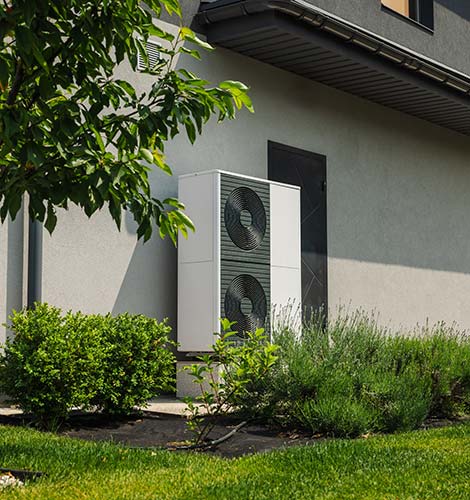
- In winter, an indoor temperature between 19º and 20ºC is sufficient to achieve good thermal comfort. At night, it can be reduced to 16º or 17ºC.
- However, in summer, this level of comfort is reached at around 25ºC. For every degree that heating or cooling is increased, energy consumption rises by 8%.
- It is advisable to use fans instead of air-conditioning units. This is not only due to their lower energy consumption, but also because they help reduce allergy problems or discomfort caused by inadequate maintenance of cooling equipment.
- The use of solar protections such as blinds and awnings helps increase indoor comfort and reduce air-conditioning consumption. Lower them early in the morning to avoid direct solar radiation, and raise them at night.
- Combined with cross-ventilation, this simple habit provides an efficient improvement in thermal comfort.
- Switch off climate-control equipment when rooms are unoccupied.
- Turn off the air conditioning or heating if you are going to open the windows.
Water saving
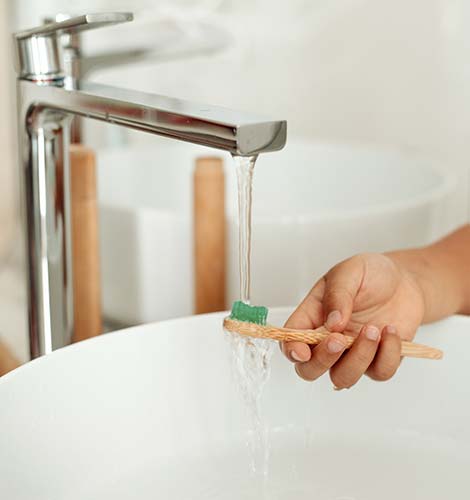
- A shower uses between 30 and 40 litres of water, compared to the 120 litres used for a bath. Keep in mind that saving water also means saving energy—for example, reducing the energy required for pumping water to your home.
- During your stay at a hotel, reuse towels instead of sending them to the laundry every day. This saves both water and energy while helping protect the environment.
- When you are going to use hot water, turn the tap to the cold-water position first to avoid unnecessary energy consumption. Opening a single-lever mixer tap in the central position activates the boiler immediately, even though hot water does not reach the tap right away.
Lighting
- Do not leave lights on when a room is unoccupied.
- Illuminate only what needs to be illuminated. Excessive lighting creates an uncomfortable environment and leads to unnecessary energy consumption.
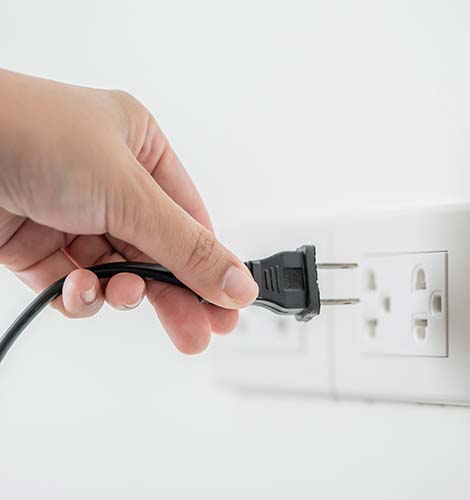
- Make sure to switch off electronic devices using the power button to prevent them from remaining in “standby” mode, as they continue to consume energy even when not in use.
Transport
- When using a car is unavoidable, consider combining it with different forms of public transport to move around urban centres or to reach the beach.
- Public transport is always a more economical, comfortable and sustainable option than driving. Check the available options at local municipal information points and use them.
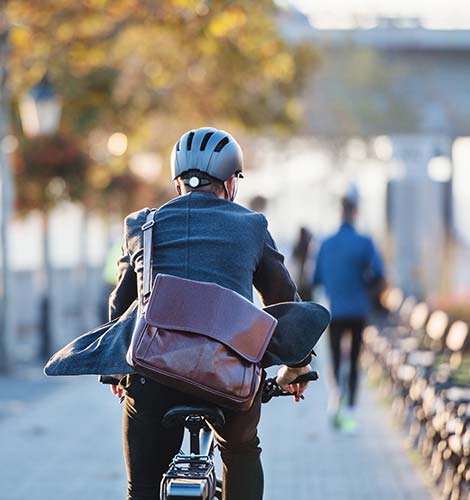
- Walking or cycling is much faster and more efficient than driving for short- and medium-distance trips. Find out whether rental bicycles are available in the area where you are spending your holidays.
- If you need to rent a car for your journeys, try to choose one with the lowest possible fuel consumption. These types of vehicles carry a green energy-efficiency label rated A, B or C.
- Drive efficiently, avoiding sudden acceleration or braking, and always within permitted speed limits.
In the apartment
- Lowering awnings and blinds blocks the solar radiation entering the home, keeping it cool during the day.
- Whenever possible, make use of natural light.
- Spend at least ten minutes a day ventilating the home, preferably when sunlight is low—either in the morning or in the evening. This will refresh the space and reduce cooling needs.
- Always run the washing machine with a full load, without overloading it, and try to use short and eco-friendly cycles. You will save water and energy while taking better care of your clothes.
- If possible, avoid using the dryer. Remember that sunlight and fresh air are the best way to dry clothing, especially in summer.
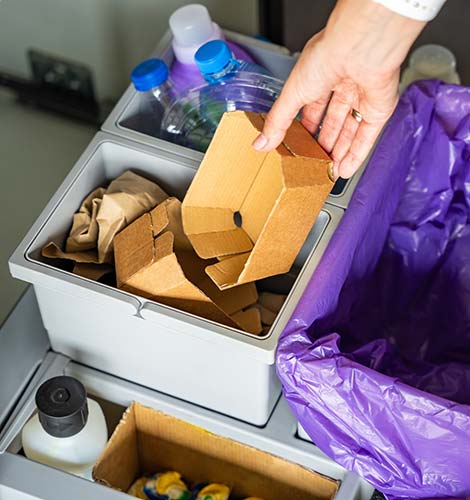
- Recycle. Separate organic waste from packaging, glass or paper and use the appropriate container for each type. This saves energy in the production of new materials and helps keep the environment cleaner.