In climate control
Thermal insulation is essential for maintaining an adequate temperature, as proper insulation helps reduce the use of heating in winter and cooling in summer, thereby saving energy. Keep this in mind if you are planning renovations or purchasing a home.
Install double glazing and window frames with thermal break. It is estimated that poorly insulated windows can account for around 40% of a home’s heat loss.

Winter climate control
- Thermostats and programmers are useful for efficient boiler operation. An indoor temperature of 19–21ºC is sufficient to achieve a good level of comfort. At night, it can be reduced to 16–17ºC.
- Keeping blinds and curtains open allows sunlight to enter, helping to reduce the need for heating.
- Turn off radiators in rooms that are not in use, and switch off the heating if you are going to be away from home for more than a day.
- Install thermostatic radiator valves. They allow you to regulate the temperature in each room, saving on heating and improving energy efficiency.
- Turn off the heating when ventilating the house.
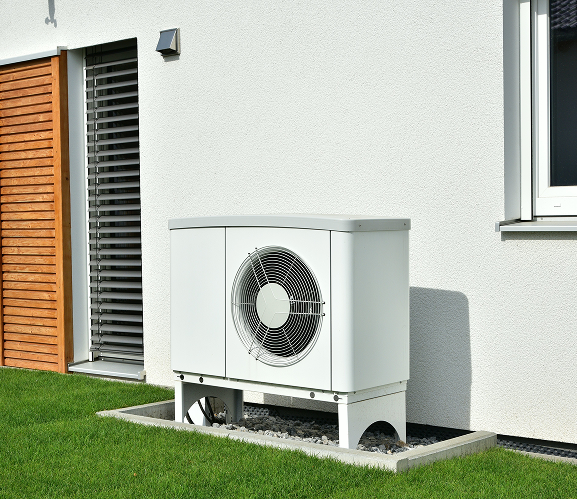
- Install efficient boilers or heating systems, such as condensing boilers or low-temperature boilers. Air-conditioning units with inverter heat pumps are also very efficient in mild climate zones.
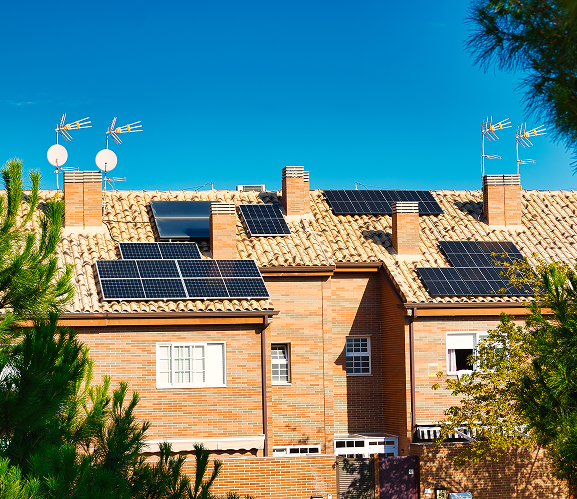
- Underfloor heating systems supported by solar thermal panels are an efficient and economical solution for heating and climate control in the home.

Summer climate control
- Cooling rooms to a temperature between 24–26ºC is sufficient to achieve thermal comfort.
- Using blinds, curtains and awnings helps increase indoor comfort and reduce cooling consumption. Lower them in the morning to block direct sunlight and raise them at night. Combined with cross-ventilation, this provides a simple and efficient improvement in your thermal comfort.
- Turn off air-conditioning units when rooms are unoccupied.
Switch off the air conditioning if you are going to open the windows.
- It is advisable to use fans instead of air-conditioning units. This is not only due to their lower energy consumption, but also because they reduce allergy problems or discomfort caused by inadequate maintenance of cooling equipment.
- Install inverter-type heat pumps with an A++ energy rating.
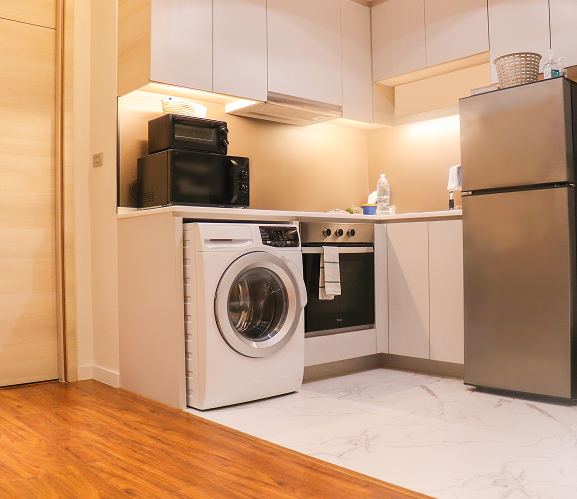
In household appliances
Energy labels make it possible to compare the efficiency of two household appliances with similar characteristics. They are grouped into 7 levels, ranging from A, the most efficient, to G, the least efficient.
Using a G-rated appliance instead of an A-rated one results in three times higher energy consumption. Over its entire lifespan, an A-class appliance can save around 800 euros.

Washing machines, dryers and dishwashers
- For efficient use, they should be operated with full loads unless they have a half-load option.
- Use eco washing/drying programs (both ecological and economical).

Ovens and microwaves
- It is preferable to use convection or fan-assisted ovens.
- Avoid opening the oven while cooking, as each opening reduces the internal temperature by about 20–30ºC.
- Cooking with a microwave saves both energy and time.
- Using an induction hob can save up to 45% more energy compared to a conventional gas stove.

Refrigerators and freezers
- For these types of appliances, the classification scale includes two additional labels: A+ and A++. Appliances rated A++ are more energy efficient than those rated A+.
- The ideal temperature for a refrigerator is between 3 and 5ºC, and for a freezer, –15ºC.
- Defrost the freezer when the layer of ice exceeds 5 mm, as thicker ice increases energy consumption and reduces performance.
- Keep the refrigerator door open only for the time needed to take out food.
- Defrost food by placing it in the refrigerator. As it thaws, it helps cool the fridge’s interior.

Electronic devices
- Make sure to switch off electronic devices using the power button to prevent them from remaining in “standby” mode, as they continue to consume energy even when not in use.