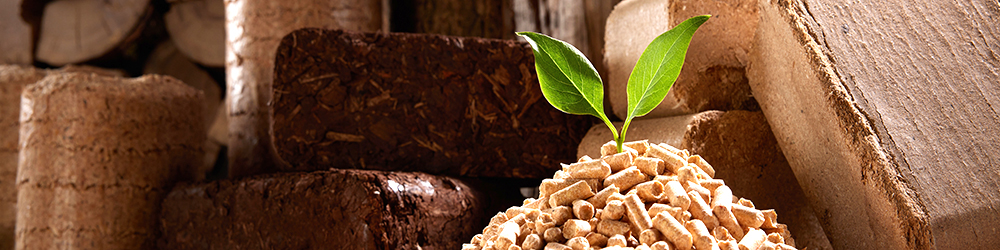
It is all organic matter that comes from trees, plants, agricultural and urban waste, and animal residues that can be converted into energy. This energy can be harnessed directly through combustion, or through the transformation of other substances that can later be used as fuels.
There are different types of biomass depending on their origin. From an industrial utilisation perspective, the most relevant types are dry residual biomass, derived from waste generated by agricultural and livestock activities—such as almond shells or olive pomace—and wet residual biomass, which mainly comes from energy crops.
Biomass energy must be extracted through a series of chemical transformation processes, such as pyrolysis or gasification, or through biological processes such as fermentation to produce alcohols and esters. The most well-known products of these biological processes are the so-called biofuels.
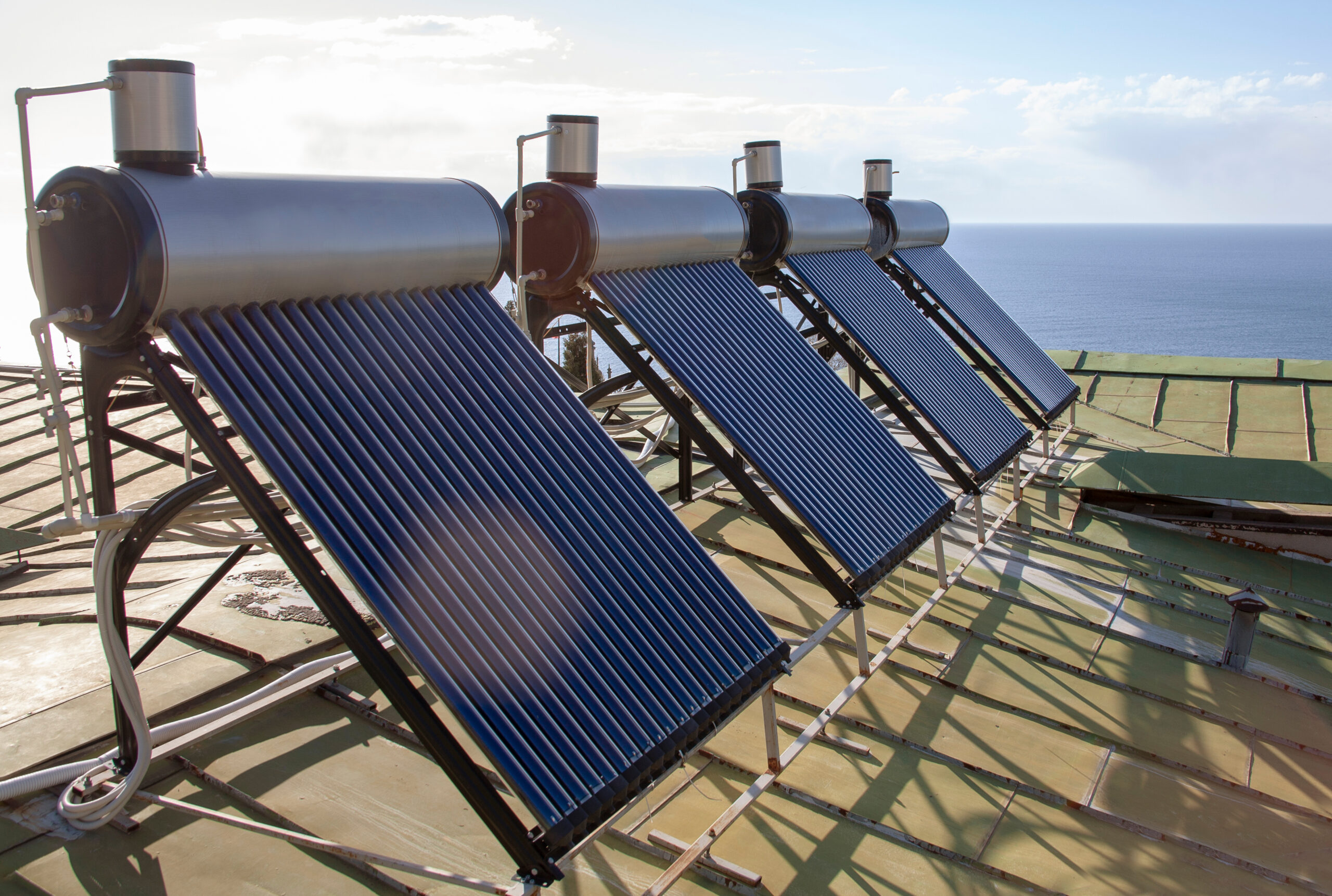





Energy produced by the direct transformation of the sun's rays into electricity.
Read more