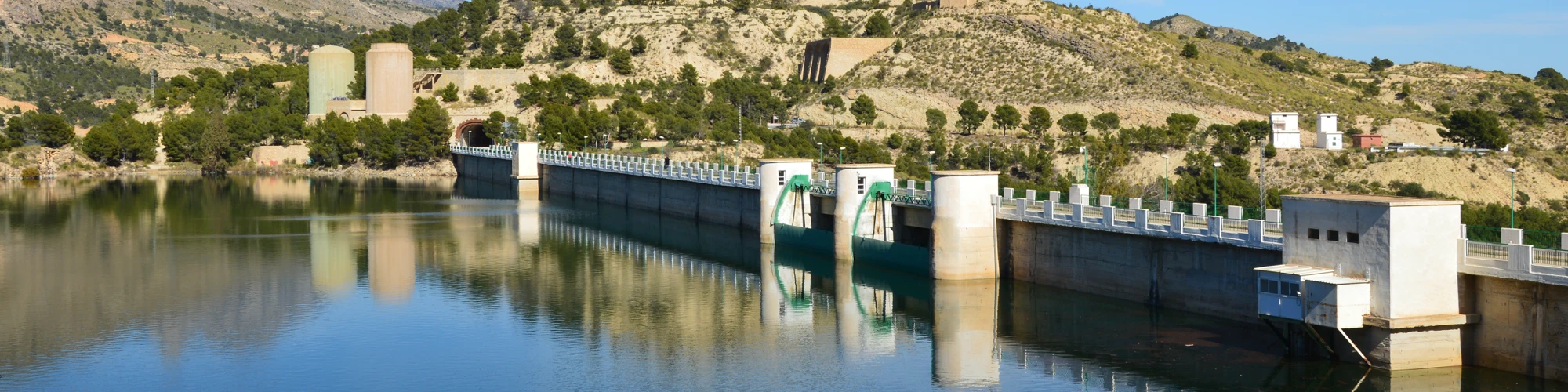
It is an energy source obtained from water flows or drops. Electricity is generated by allowing water to fall by gravity so that, as it passes through a turbine, it drives an electric generator.

It is considered a renewable energy source that depends on rainfall occurring in the upper sections of rivers before reaching the dams.

A distinction can be made between hydropower, which comes from large dams, and small hydropower, which is produced from small water drops and has an installed capacity of up to 10 MW.
Advantages

  • basic / circle_checked copia 6 It is renewable, as the water used is returned to the riverbed.
  • basic / circle_checked copia 6 It is a local energy source, which helps avoid imports from other countries.
  • basic / circle_checked copia 6 It produces no pollution, as it generates no heat or harmful emissions.
  • basic / circle_checked copia 6 It allows water to be stored for irrigation and other emergency uses.
  • basic / circle_checked copia 6 Dams regulate river flow, preventing flooding in the lower sections of the river.

Disadvantages

  • basic / circle_checked copia 6 Its performance depends on weather conditions.

Other Renewable Energy

Biomass

Organic matter from trees, plants, agricultural and urban waste and animal waste…

Read more

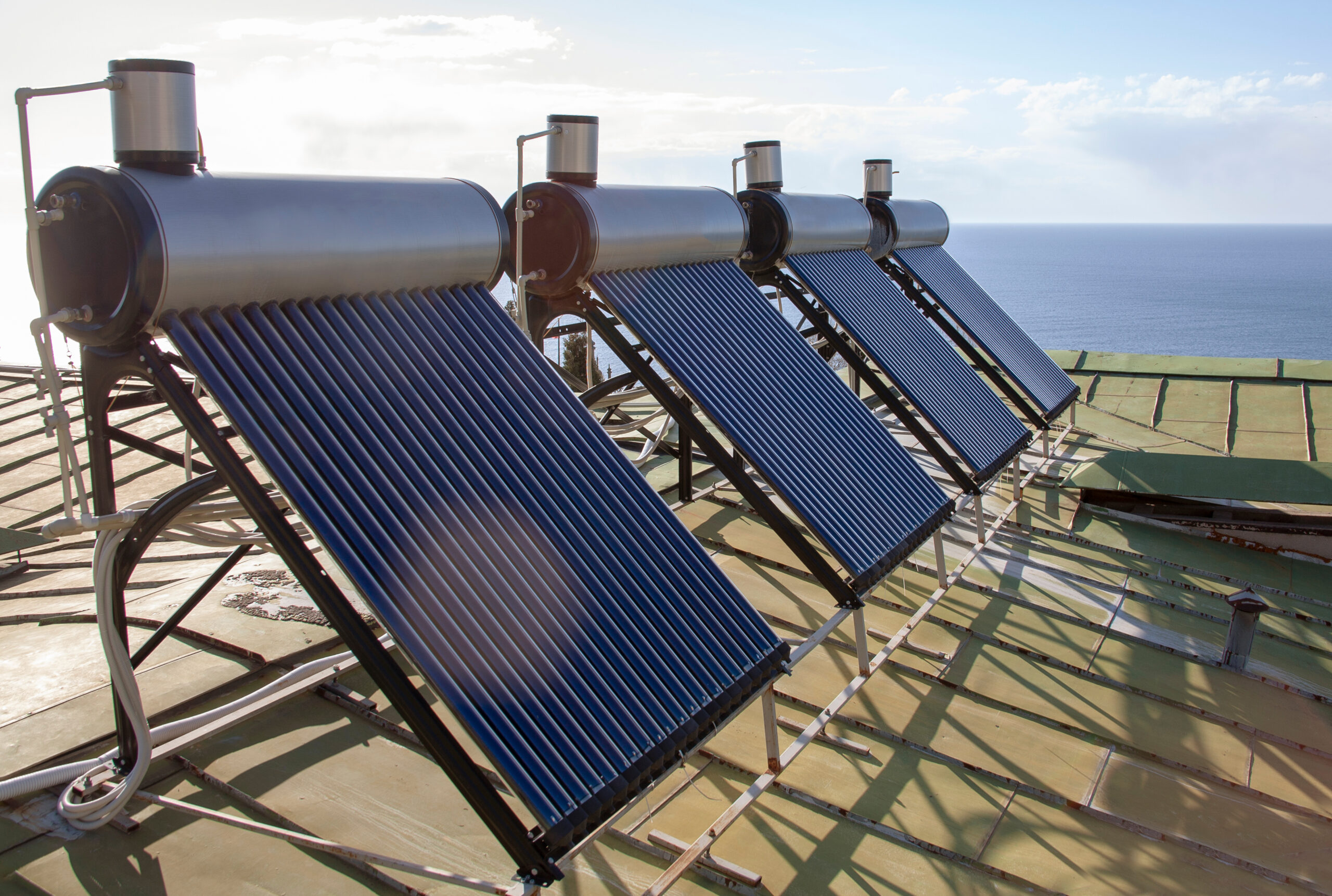
Solar Thermal Energy

Energy that uses solar radiation to generate hot water.

Read more

Wind Energy

Energy that harnesses the wind to generate electricity.

Read more

Photovoltaic Energy

Energy produced by the direct transformation of the sun's rays into electricity.

Read more

Evaluate your
energy consumption

Evaluate your consumption
This site is registered on wpml.org as a development site. Switch to a production site key to remove this banner.